Creators are good at sounding natural on camera. They are not mind readers. Most disappointing UGC comes from a vague brief, not a bad creator. A one-page brief with the right sections fixes that.
1. The goal
One sentence on what the video must achieve. For example: get skincare buyers aged 25 to 40 to try the serum instead of their current routine.
2. The audience
Who is watching, what they already believe and what they are frustrated with. Use real phrases from your reviews so the creator speaks their language.
3. The hooks
Give three to five opening lines to film, word for word. Ask the creator to record every one. Hooks are cheap to film and expensive to reshoot later.
4. The key message and proof
One main benefit and one piece of proof, such as a before and after, a demonstration or a number. Resist the urge to list every feature.
5. Must say and must avoid
Any claims that legal needs, the exact product name and price, plus anything the creator must not say. Keep this list short and specific.
6. Shot list and format
- Vertical 9:16, natural light, phone camera is fine.
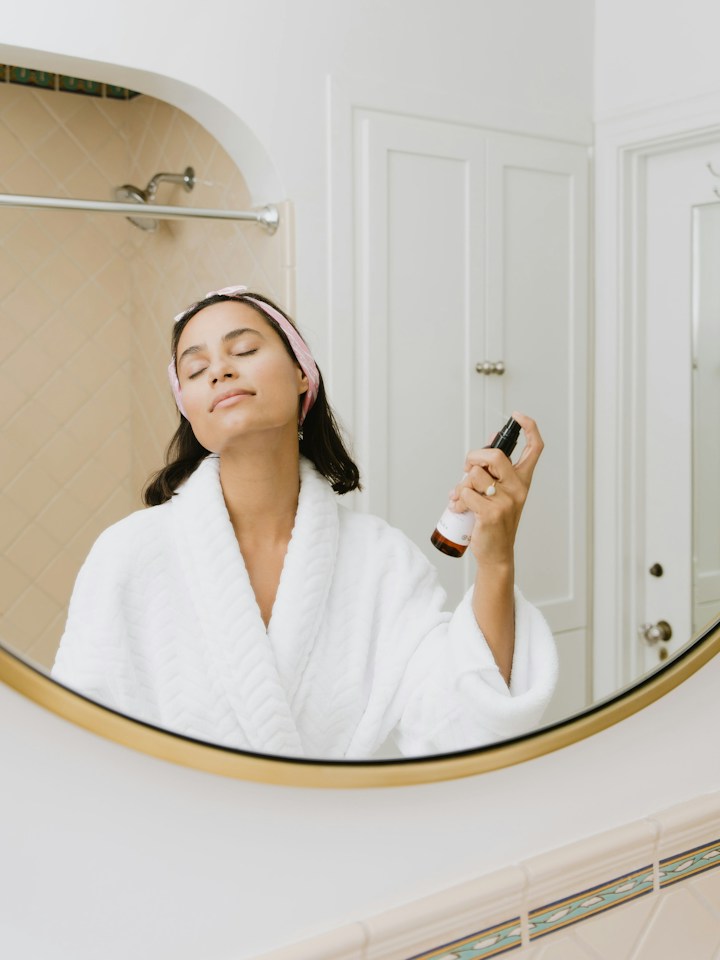
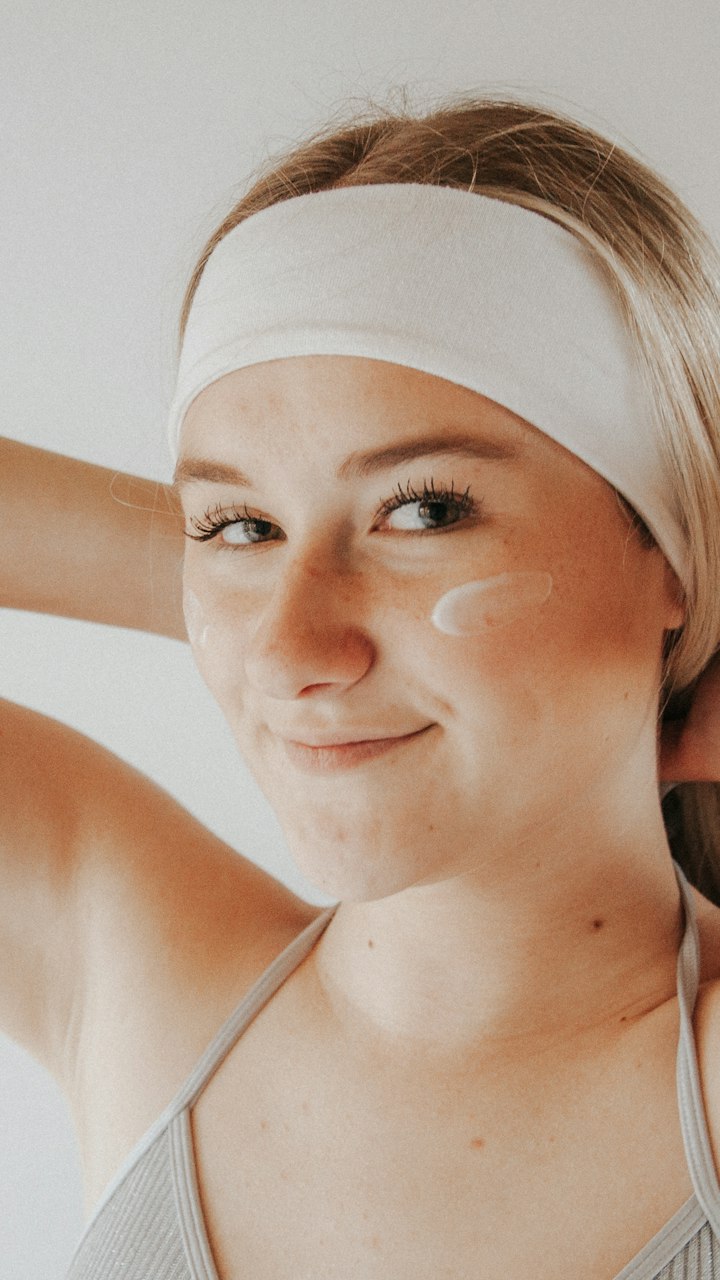
- Close-up of the product in use within the first five seconds.
- Extra b-roll: unboxing, texture, the result.
- Raw files plus a few takes of every hook.
7. The call to action
Tell viewers exactly what to do next, in the creator’s own words: shop now, try it free, link in bio.
Send the brief, then a reference video you like. Approve the creator and hooks before filming, and you will rarely need a second shoot.